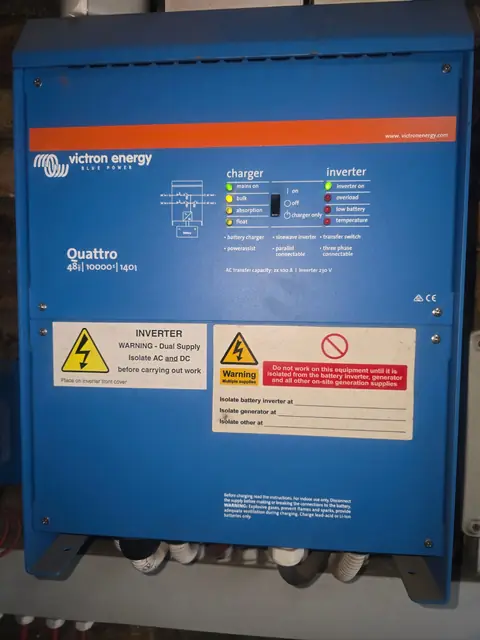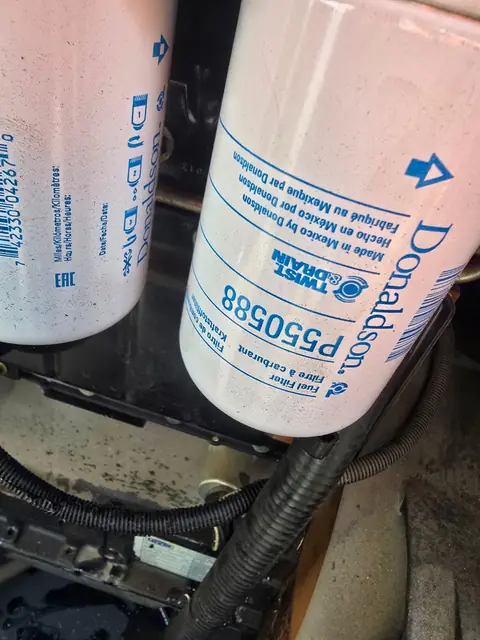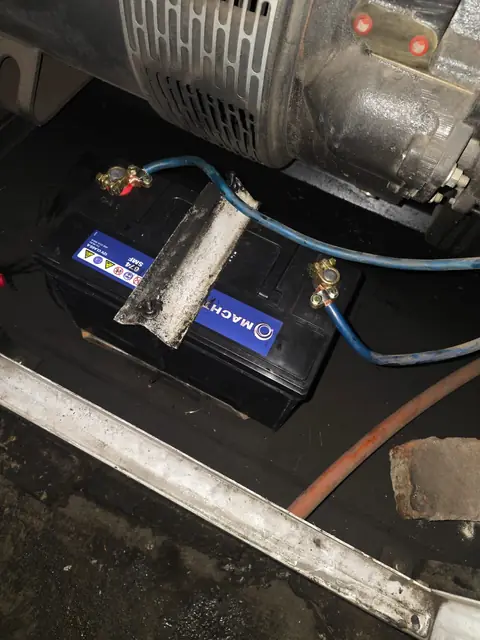
A backup generator is a significant investment, and the installation is where it either becomes a reliable asset or a recurring headache. A set that is undersized, badly positioned, connected without a proper changeover or never commissioned under load will let you down at the worst moment. This is the process we follow on commercial and industrial installations across the East Rand.
Key takeaways
- Sizing starts with a measured load assessment, not a guess based on the size of the building.
- The changeover — manual or automatic (ATS) — is a legal requirement, not an option. Back-feeding the grid endangers lives.
- A generator installation is an electrical installation under SANS 10142-1 and must be issued with a Certificate of Compliance.
Step 1: Load assessment and sizing
The first question is not “how big a generator?” but “what must keep running?” For some businesses that is the whole premises; for many it is a defined set of essential circuits — cold rooms, servers, security, lighting, tills, a production line. We measure the actual running load, identify the motor loads with high starting currents (compressors, pumps, lifts), and calculate a rating with sensible headroom.
Generators are rated in kVA; your loads are in kW. At a typical power factor of 0.8, a 100 kVA set delivers about 80 kW of real power. Motor starting can demand several times running current for a second or two, which is why a set sized only on running load stalls the moment the compressor kicks in. Oversizing is a problem too: a diesel that runs at a fraction of its rating for hours accumulates carbon (“wet stacking”) and needs more frequent maintenance.
Step 2: Choosing the set
We supply single and three-phase diesel sets from proven manufacturers — Perkins, Volvo, Cummins, Scania and similar — chosen for reliability and parts availability in South Africa. Open sets suit dedicated plant rooms; canopied sets are quieter and weather-protected for outdoor positions. Fuel tank size is chosen for the run-time you need between refills. Our installation and repair work covers sets rated 100 kVA and up.
Step 3: Position, foundation and civil work
Where the set stands matters for noise, exhaust, ventilation, fuel delivery and service access. A diesel engine needs a large volume of cooling air and a safe exhaust route away from windows and air intakes; it must be reachable by a tanker and by a technician with a toolbox. Larger sets need a properly designed concrete plinth. On our installations the foundation is designed by a practising civil engineer and drawings are supplied — a heavy set on an inadequate slab is a problem that only gets worse.
Step 4: The changeover — manual or ATS
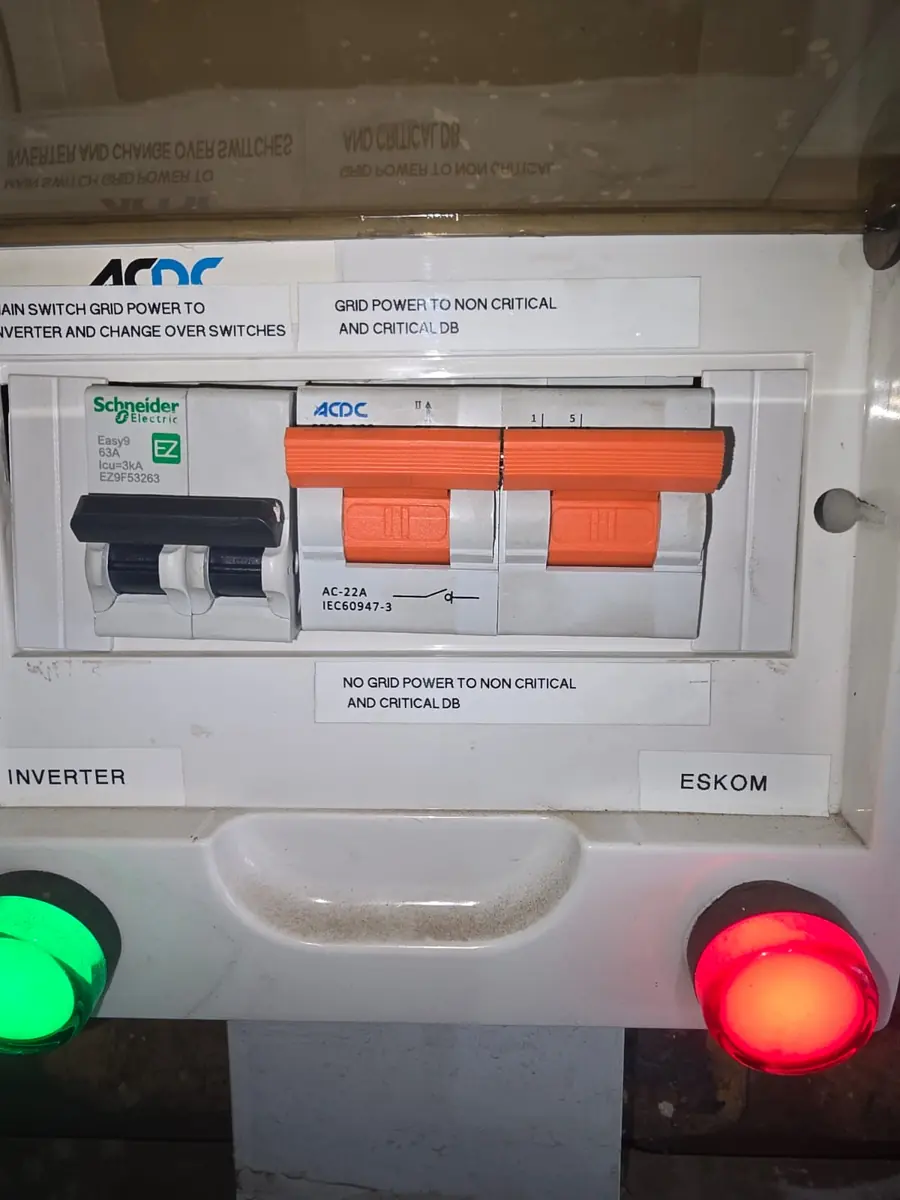
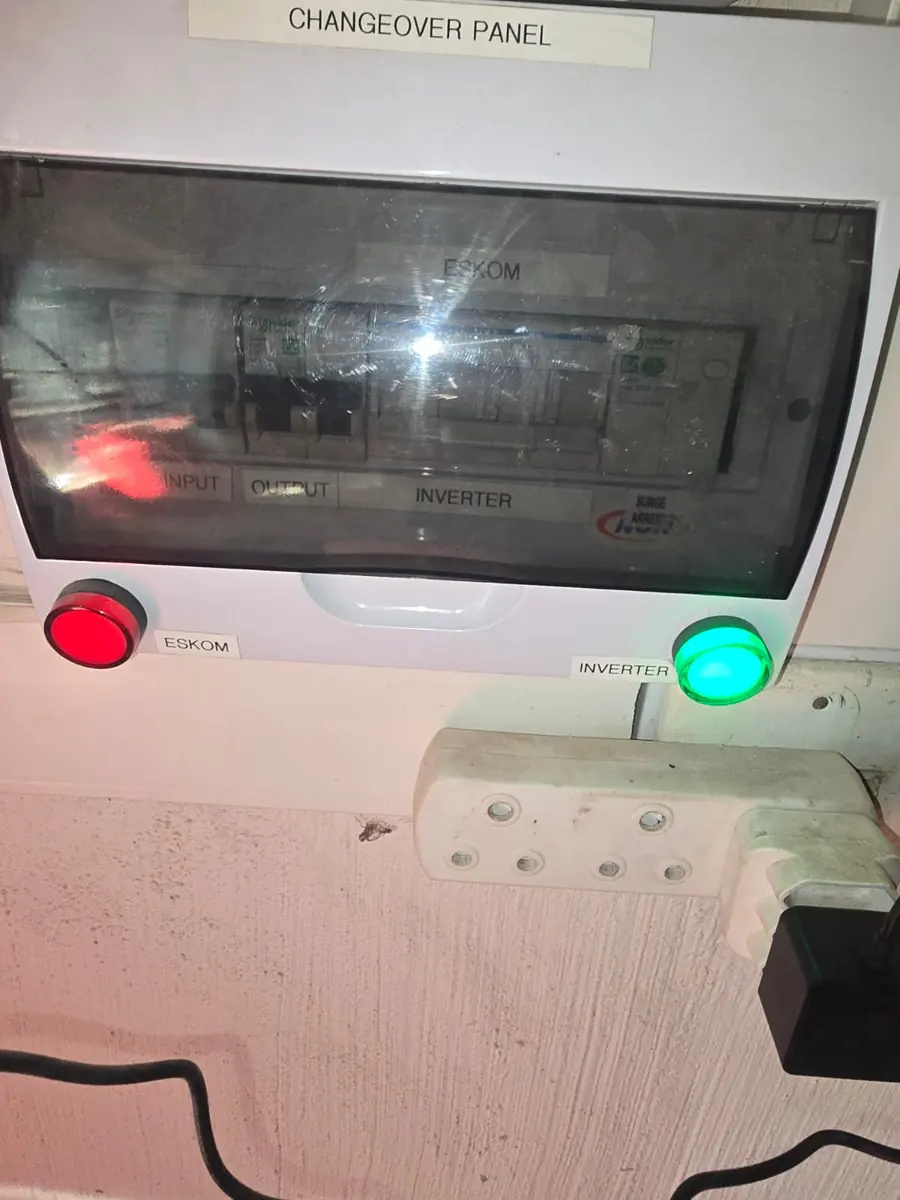
This is the heart of the installation. A changeover switch ensures the building is connected either to the municipal supply or to the generator, never both. Without it, a running generator can push power back into the grid, endangering the technicians working on the line — which is why SANS 10142-1 requires it and why a DIY “plug the generator into a wall socket” connection is dangerous and illegal.
A manual changeover requires someone to start the set and throw the switch. An automatic transfer switch (ATS) senses the mains failure, signals the generator to start, transfers the load once the set is up to speed and voltage, and transfers back and shuts the set down after a cool-down period when the mains returns. For premises that cannot tolerate an interruption while someone finds the keys to the plant room, an ATS is the right answer.
Step 5: Cabling, protection and earthing
The generator output is cabled to the changeover and from there to the distribution board, with correctly rated protection at every point. Earthing is designed deliberately rather than left to chance: the generator neutral and earth arrangement must work correctly in both grid and generator modes so that earth-leakage protection still trips when it should. Where only essential circuits are backed up, the DB is split into critical and non-critical sections so that the generator is never asked to carry loads it was not sized for.
Talk to the team that does this work
Free quotes, straight answers and SANS 10142-compliant workmanship across the East Rand and Sandton. Call, WhatsApp or request a quote online.
Step 6: Commissioning and load testing
An installation is not finished when the last cable is terminated. We commission the set by simulating a mains failure, confirming the ATS timings, checking voltage and frequency under load, and verifying phase rotation on three-phase installations so that motors run the right way on generator power. The set is then run under real or load-bank load long enough to prove the fuel, cooling and control systems.
Step 7: The Certificate of Compliance
Because the generator connects into the building’s fixed electrical installation, the work falls under the Electrical Installation Regulations and must be tested and certified by a registered person. We issue a Certificate of Compliance for the generator installation. Insurers increasingly ask for it, and it is your proof that the changeover and earthing were done properly.
Step 8: Handover, training and a service plan
Staff need to know how to check the set, what the panel indicators mean, and who to call. Then the set goes onto a service schedule — weekly test runs and six-monthly or annual servicing — because a standby set that is ignored for a year is a standby set that fails. Our servicing checklist explains what that involves.
Thinking about a UPS or inverter as well? Many offices pair a generator with a UPS so that servers and tills ride through the seconds between the mains failing and the generator taking the load. Our comparison of inverters, generators and UPS systems explains when each makes sense, and when they belong together.
Common installation mistakes we are called to fix
- Generators connected with no changeover at all, or with a changeover wired so that both supplies can be closed at once.
- Earth-leakage protection that no longer trips in generator mode because the neutral-earth arrangement was never designed.
- Sets positioned where the exhaust discharges into a workshop or under an office window.
- Undersized cabling between the set and the DB, running hot under full load.
- Sets that were never load-tested, discovered to be faulty during the first real outage.
Generator installation on the East Rand
Electromech supplies, installs, commissions and maintains diesel generator sets for commercial and industrial premises across the East Rand and Sandton. See our generators and backup power page for the full service, or our area pages for Boksburg, Germiston, Kempton Park, Benoni, Alberton, Bedfordview and Sandton.
Frequently asked questions
Do I need a COC for a generator installation?
Yes. Connecting a generator to a building’s wiring is an alteration to the electrical installation and must be certified by a registered person.
Can a generator be connected without an ATS?
A manual changeover switch is acceptable and common on smaller commercial sites. What is not acceptable is any connection without a changeover of some kind.
How long does installation take?
Once the set and the civil work are ready, the electrical installation and commissioning of a typical commercial set takes a few days. Lead times on the set itself and the plinth are the longer part of the programme.