The worst time to discover that a standby generator has a problem is the moment the grid drops. The set is expected to crank, fire and take the load within seconds — and when it doesn’t, a factory floor, cold room or office block goes dark. After more than a decade working on diesel sets across the East Rand, the same handful of causes come up again and again. Most are preventable.
Key takeaways
- On commercial and industrial sets, most no-start faults trace back to the battery, the fuel system or the controller — in that order.
- Many of these problems give warning signs weeks in advance: slow cranking, hunting under load, a warning lamp on the panel that “always comes on”.
- A standby set that is only ever started during outages is the set most likely to fail. Scheduled test runs and servicing are what keep it reliable.
1. A flat, weak or sulphated starter battery
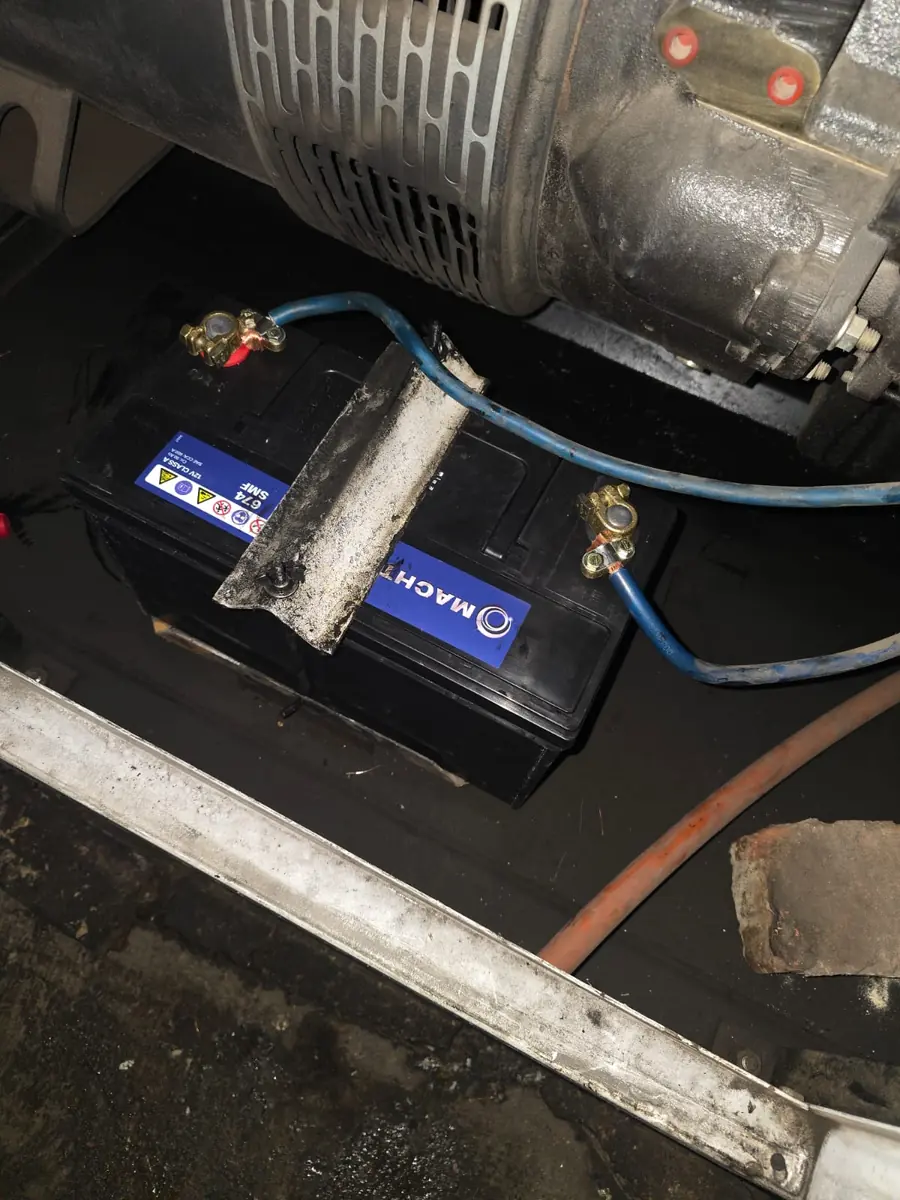
The single most common reason a diesel generator won’t start is the starter battery. A standby set may sit for weeks between runs, and if the battery charger on the panel has failed, the terminals have corroded, or the battery is simply at the end of its life, there is not enough current to turn a large engine over. You will typically hear a rapid clicking from the starter solenoid, or a slow, laboured crank that never catches.
Check the terminals for white or green corrosion and make sure the charger is actually charging (the panel usually shows battery volts — 13 V or more with the charger on is healthy; 12 V or less at rest means the battery is tired). Lead-acid batteries on standby sets typically need replacing every two to four years regardless of how they look.
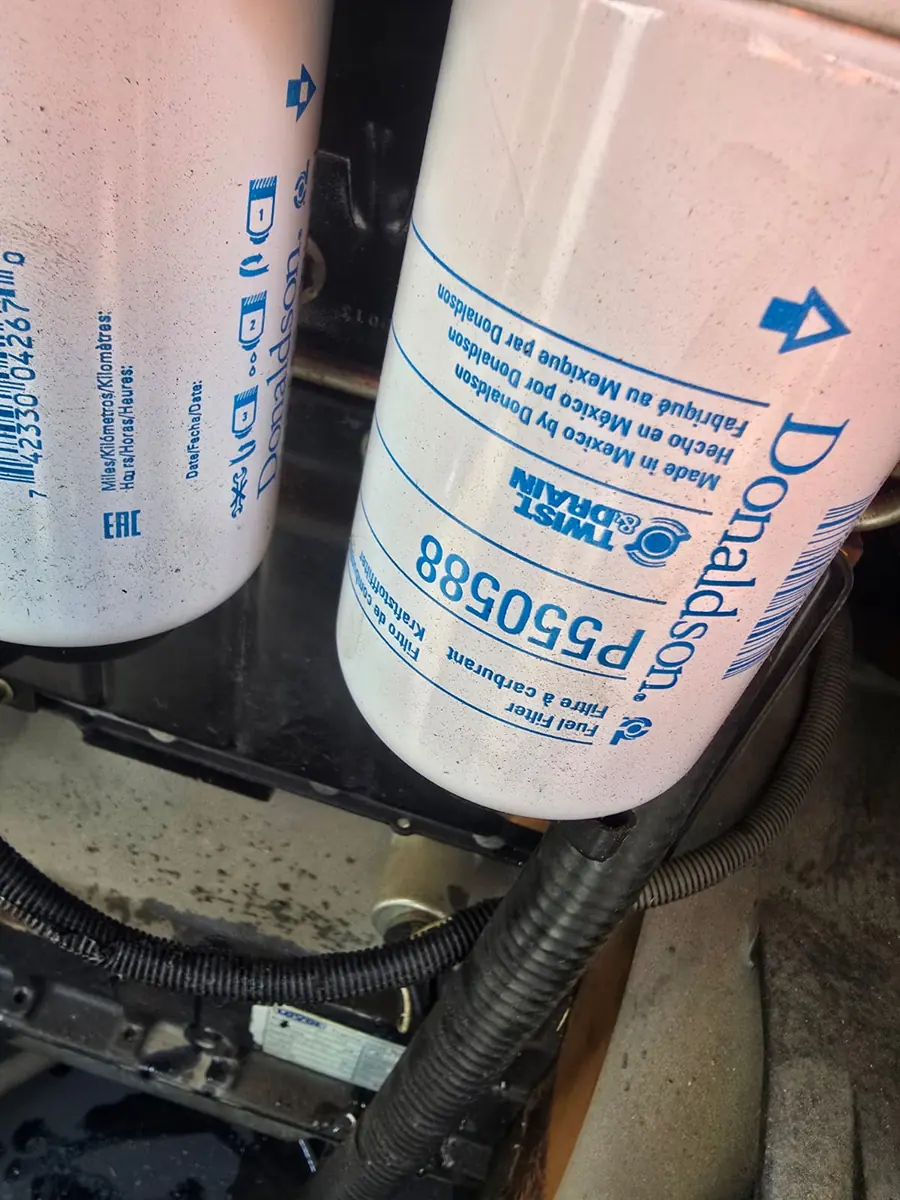
2. Fuel problems: air in the lines, blocked filters or contaminated diesel
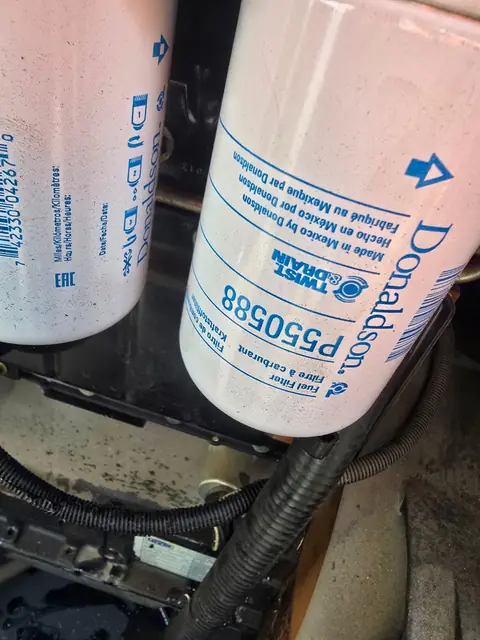
If the engine cranks strongly but won’t fire, or fires and immediately dies, look at fuel. Diesel that has stood for months in a tank can grow microbial contamination (the so-called “diesel bug”), which clogs filters with a black sludge. Water from condensation collects at the bottom of the tank. A filter that was due for replacement last service finally blocks completely.
Air in the fuel system is the other classic. If a filter was changed and the system was not properly bled, or a fuel line fitting has loosened with vibration, the injector pump cannot build pressure. The engine may start after long cranking and then run rough, or refuse to start at all.
3. The controller has locked out on a fault
Modern sets are managed by an electronic controller that monitors oil pressure, coolant temperature, overspeed, low fuel and dozens of other parameters. When any of these trips, the controller shuts the engine down and locks out — it will not attempt another start until the alarm is acknowledged and reset. A previous low-oil-pressure or high-temperature shutdown is often the real reason a set “won’t start” the next time it is needed.
Before assuming a mechanical fault, read the alarm history on the panel. A set that has been shut down on high temperature is telling you something about the cooling system (see point 6), not the starter.
4. Emergency stop engaged, or the set left in “Off” or “Manual”
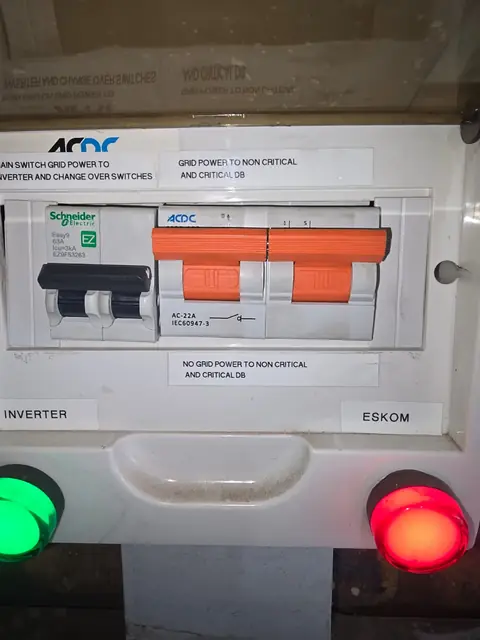
It sounds too simple to list, but it is a call-out we attend more often than you would think. Someone pressed the emergency stop during a service, or the mode switch was left in Manual after a test run, so the set never received the automatic start signal from the changeover when the grid failed. Always check that the controller is in Auto after any work on the set, and that the E-stop button has been released and reset.
Talk to the team that does this work
Free quotes, straight answers and SANS 10142-compliant workmanship across the East Rand and Sandton. Call, WhatsApp or request a quote online.
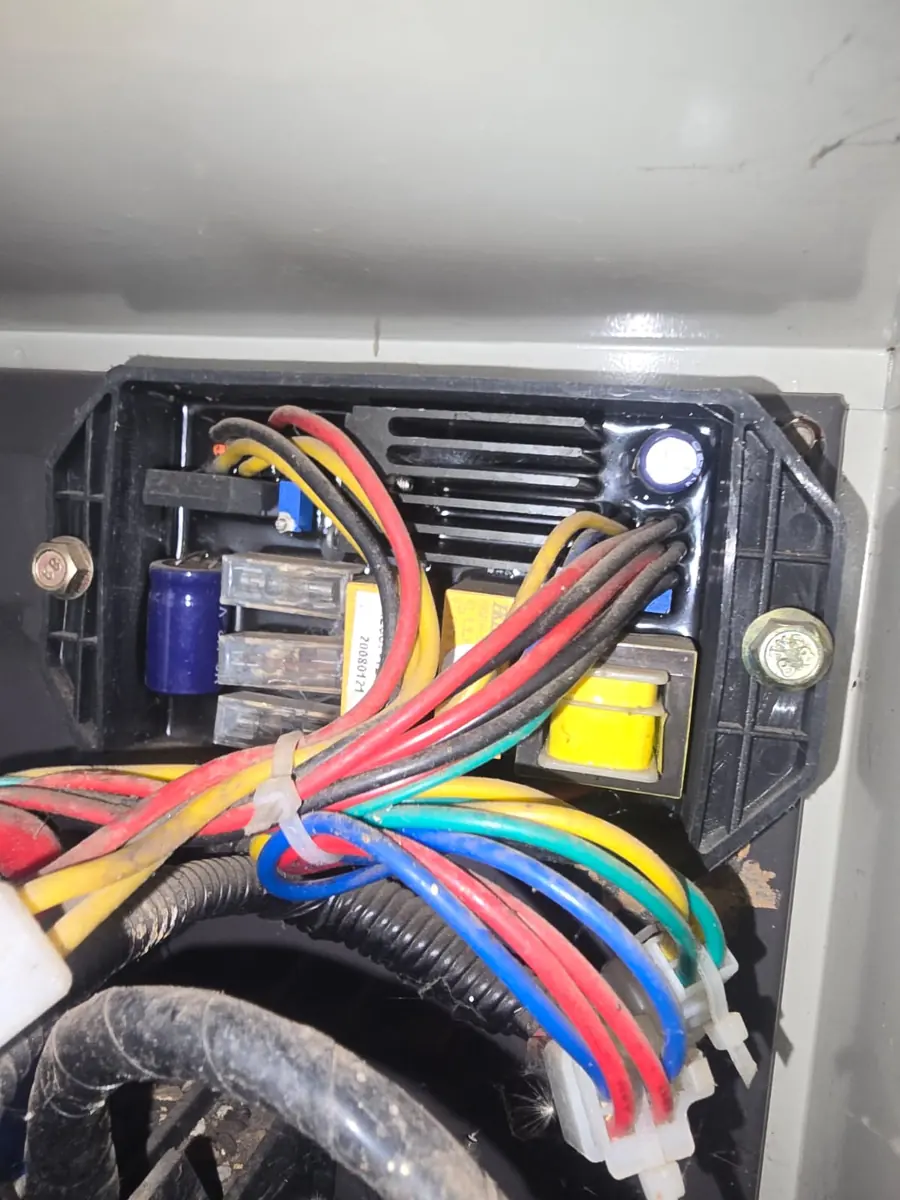
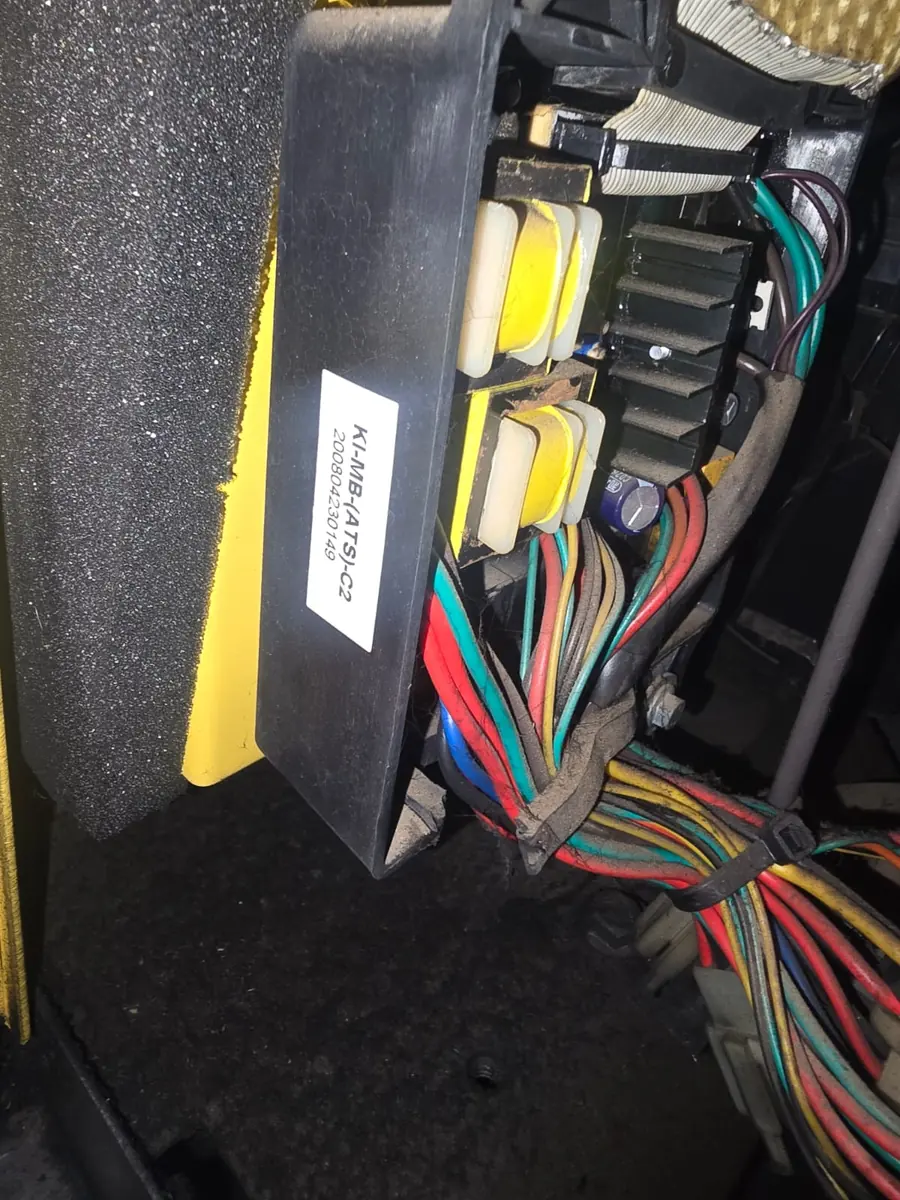
5. A failed AVR (automatic voltage regulator)
Sometimes the engine starts perfectly but the generator produces no usable output — the changeover never transfers, or the voltage is wildly unstable. That points to the alternator side rather than the engine, and the usual suspect is the AVR. The AVR controls the field current in the alternator to hold output voltage steady as the load changes. When it fails you may see no voltage, low voltage, or voltage that surges and collapses.
A loose or burnt connection on the AVR terminals, a failed diode in the rotating rectifier, or loss of residual magnetism after a long standstill can produce similar symptoms. This is one area where having a technician qualified on both the mechanical and electrical side really matters, because the fault sits right at the junction of the two.
6. Cooling system faults and high-temperature shutdowns
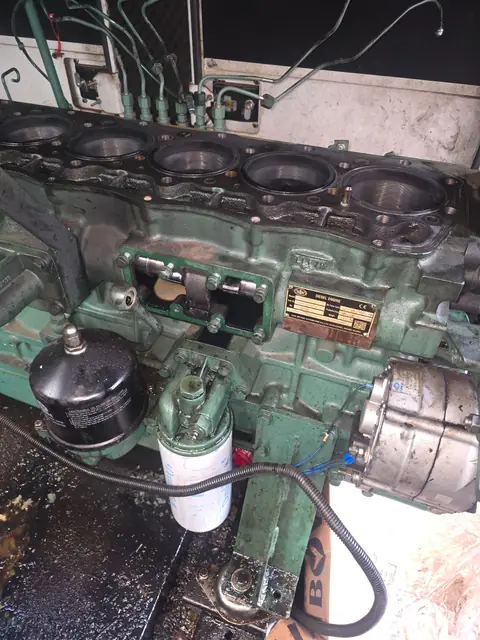
Low coolant, a slipping fan belt, a blocked radiator core or a failed thermostat will push a diesel engine past its temperature limit within minutes of taking load. The controller shuts the set down to protect it — and if nobody investigates, the next start attempt ends the same way. On older sets on the East Rand we regularly find radiators blocked with dust from years of running in a plant room with poor airflow.
7. Starter motor, glow plugs and wiring
If the battery is strong but nothing happens when the start command is given, the starter motor solenoid, the starter relay or the wiring between the controller and the starter may have failed. In winter, sets without working glow plugs or heater elements crank for a long time before firing, which drains a marginal battery and rounds off the fault.
8. It was never serviced
Almost every fault above is either prevented or caught early by a proper service schedule. Oil and filter changes, fuel filter replacement, battery and charger checks, coolant testing, belt inspection and a run under load are exactly what stops a standby set from becoming an expensive ornament. Our generator servicing checklist explains what a proper service should include and how often it should be done.
Safety first. Generator enclosures contain hot exhaust components, rotating belts and fans, and live output terminals at 400 V. Checking a battery terminal or reading a panel is reasonable; opening the alternator terminal box or working on the fuel system while the set is in Auto is not. If the set can start automatically, it can start while your hands are inside it.
What you can check yourself before calling us
- Controller mode — is it in Auto? Is the emergency stop released?
- Alarm history — what was the last shutdown reason?
- Battery volts on the panel, and whether the charger indicator is on.
- Fuel level — the gauge, and the actual tank if you can safely see it.
- Coolant and oil levels with the set switched to Off and cooled down.
If those all look right and the set still won’t start or won’t take load, it needs a technician with the right test equipment. We handle generator repairs and servicing across the East Rand on diesel sets rated 100 kVA and up, including Boksburg, Germiston, Kempton Park, Benoni and Alberton.
Frequently asked questions
Why does my generator start but shut down after a few seconds?
Usually a protection trip: low oil pressure, a failed oil-pressure sender, high temperature, or a fuel supply problem that lets the engine fire on residual fuel and then starve. The controller alarm log will say which.
Why does my generator start but produce no power?
The engine side is working; the fault is in the alternator, AVR, output breaker or changeover. Check whether the output breaker on the set has tripped, then have the AVR and alternator tested.
How often should a standby generator be test-run?
Most manufacturers recommend a weekly or fortnightly test run, ideally under load for 20–30 minutes. Running unloaded for a few minutes keeps the battery topped up but does little for the engine.