Years of load shedding and an unreliable grid have made backup power a standard part of South African homes and businesses. The question is no longer whether to have it, but which kind. Inverter-and-battery systems, diesel generators and UPS units solve different problems — and the best installations often use more than one. Here is how they compare.
The three options at a glance
| Inverter + battery | Diesel generator | UPS | |
|---|---|---|---|
| Best for | Homes, small offices, essential circuits | Whole premises, heavy and motor loads, long outages | Servers, tills, medical and control equipment |
| Switch-over | Milliseconds to a few seconds (hybrid units are near-seamless) | 10–30 seconds with an ATS; longer with manual changeover | Seamless (online) or a few milliseconds (line-interactive) |
| Run-time | Hours, set by battery capacity; extended by solar | As long as there is fuel | Minutes — enough to shut down cleanly or bridge to a generator |
| Noise / fumes | Silent, no emissions | Loud, diesel exhaust, needs ventilation | Silent |
| Maintenance | Low; batteries last years, firmware updates | Regular servicing, fuel management, test runs | Battery replacement every few years |
| Running cost | Very low, lower still with solar | Diesel plus servicing | Negligible |
Inverter and battery systems
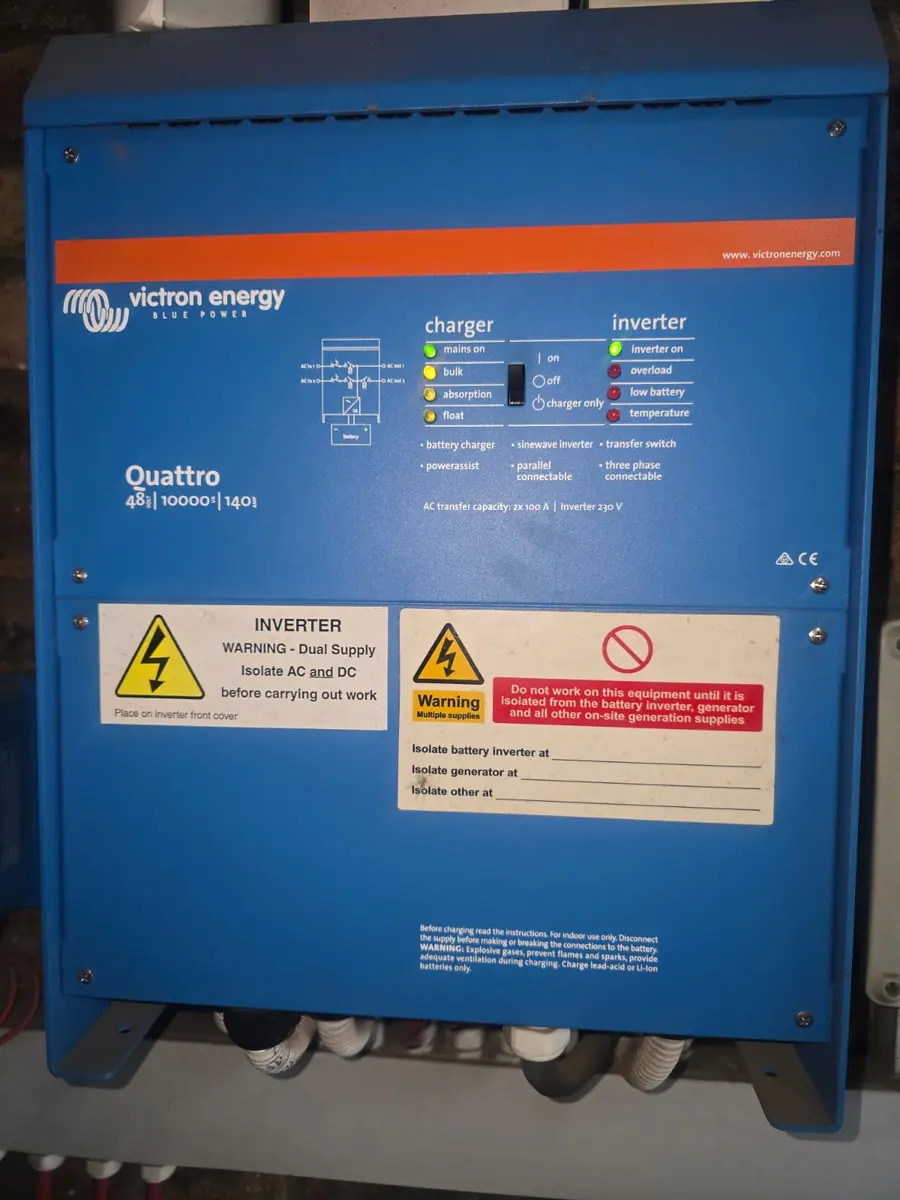
An inverter converts DC battery power into 230 V AC. A hybrid inverter also charges the batteries from the grid and, if you add panels, from solar. When the grid fails, a hybrid inverter switches to battery so quickly that computers and Wi-Fi don’t notice. The whole system is silent, has no fuel and needs almost no maintenance.
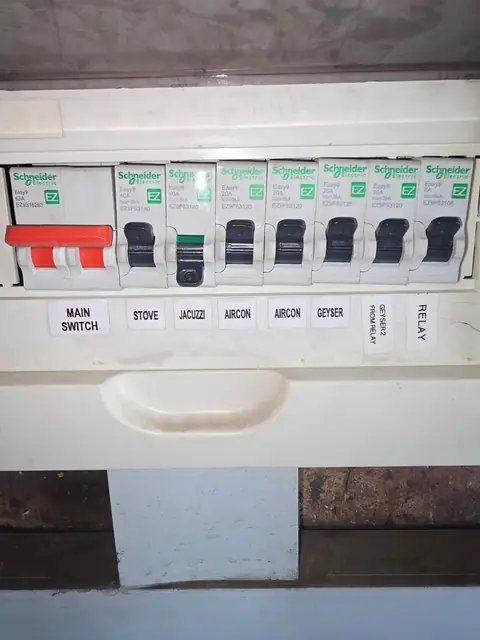
The limitation is energy. A typical home system with a 5 kWh lithium battery will run lights, plugs, TV, routers and a fridge comfortably through a two- to four-hour outage, but a geyser, stove, or a workshop full of three-phase machines will flatten it in minutes. That is why inverter installations are almost always wired to a separate essential-circuits section of the DB — the inverter feeds the things you actually need, and the heavy loads stay on the grid.
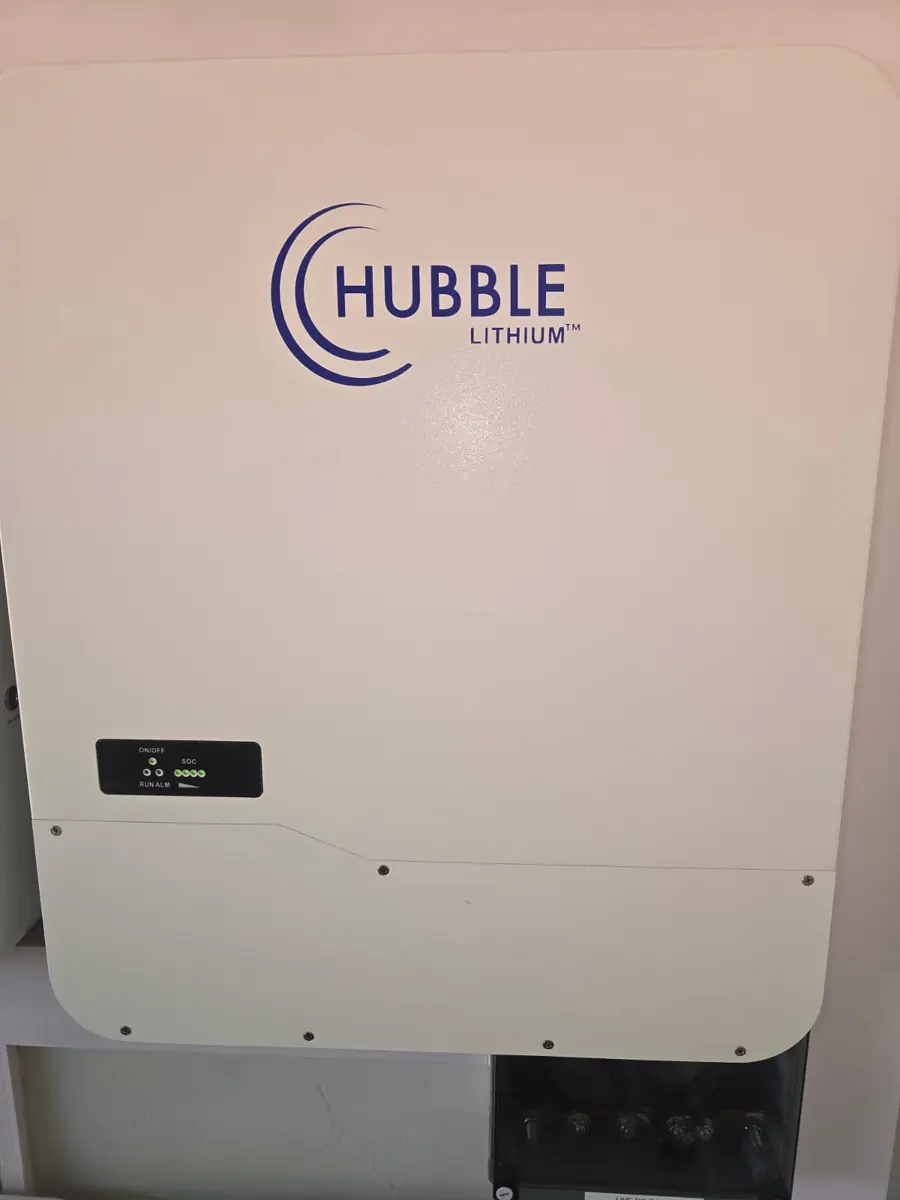
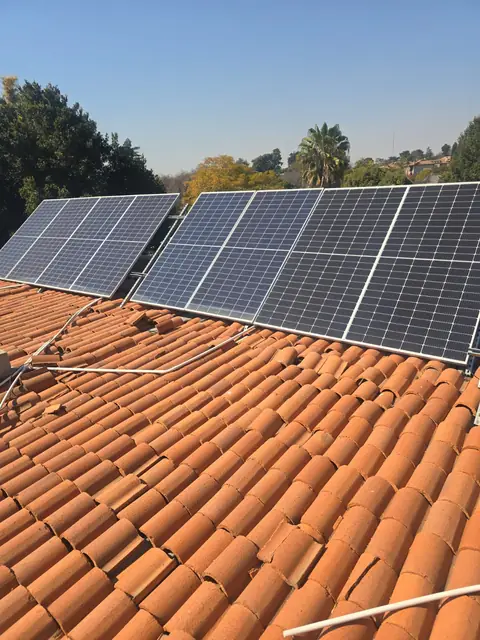
Adding solar panels turns a backup system into a daily saving. The inverter runs the house on solar during the day, charges the battery, and falls back to the grid only when both are exhausted. Our walkthrough of what a solar installation actually looks like covers that side in detail.
Diesel generators
A generator makes its own electricity for as long as it has fuel, at any scale from a small canopied set to a multi-megawatt plant. For a factory, a cold-storage facility, a shopping centre or a hospital there is no substitute — batteries cannot run heavy motors and compressors for eight hours. The trade-offs are noise, exhaust, fuel logistics, a start-up delay of a few seconds to half a minute, and a real maintenance commitment. A set that isn’t serviced and test-run is a set that won’t start; see our guide to why generators fail to start.
Electromech supplies, installs and maintains diesel sets rated 100 kVA and up for commercial and industrial clients. If you are planning one, start with our backup generator installation guide.
UPS systems
An uninterruptible power supply is a battery-backed unit designed for one thing: no interruption at all. An online (double-conversion) UPS rebuilds the mains waveform continuously, so the equipment it feeds never sees the outage or the spikes and dips that come with it. Run-time is short — typically 5 to 30 minutes — because the UPS is not meant to run the building. It is meant to keep servers, network gear, point-of-sale and control systems alive until the generator takes over or until they can shut down cleanly.
In the East Rand and Sandton we increasingly see the combination: a UPS on the IT and tills, a generator for the premises, and an inverter for the manager’s office. Each does the part it is good at.
Talk to the team that does this work
Free quotes, straight answers and SANS 10142-compliant workmanship across the East Rand and Sandton. Call, WhatsApp or request a quote online.
How the pieces fit together at the DB
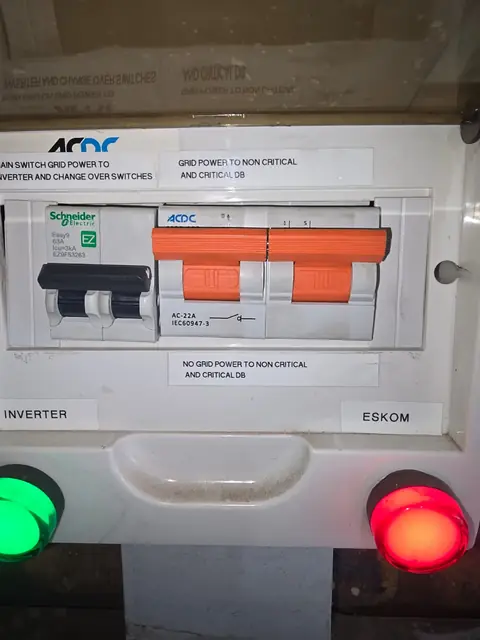
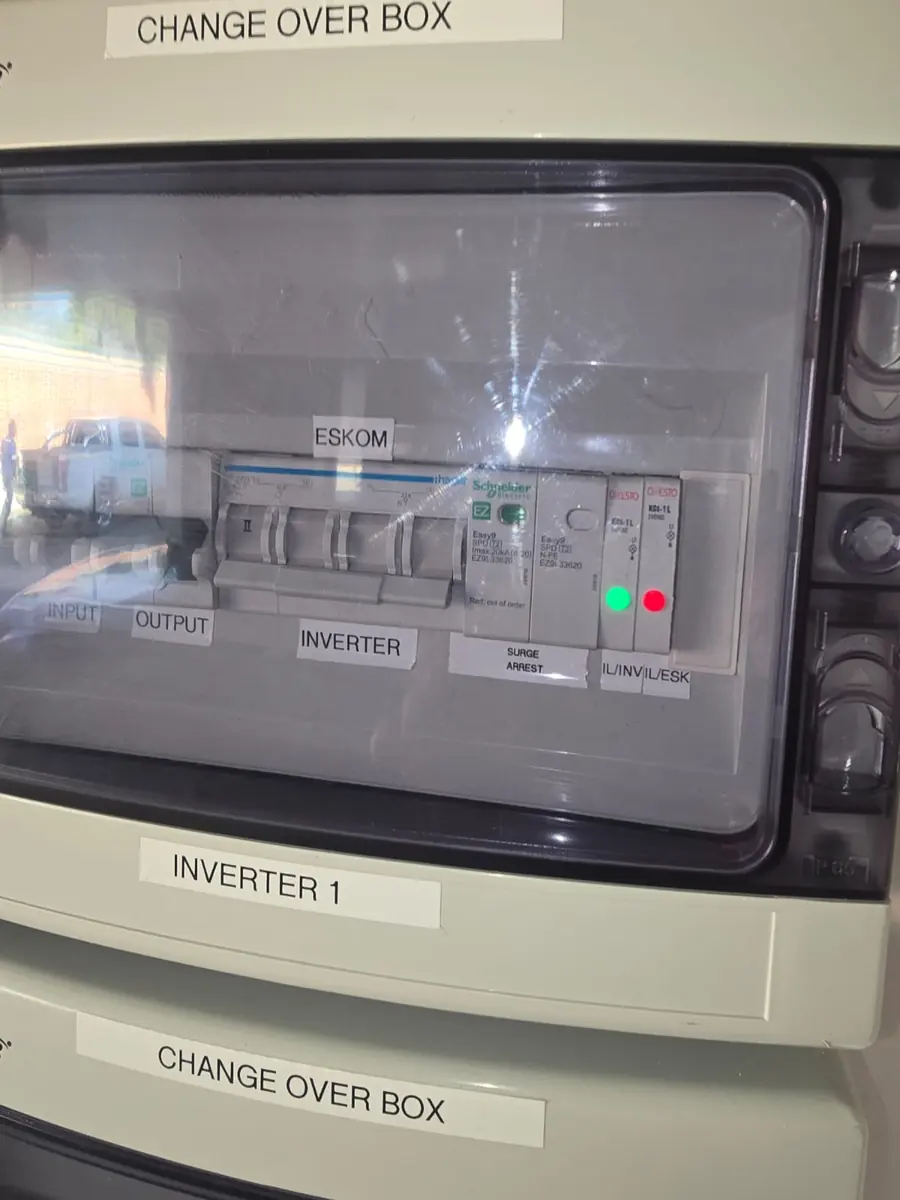
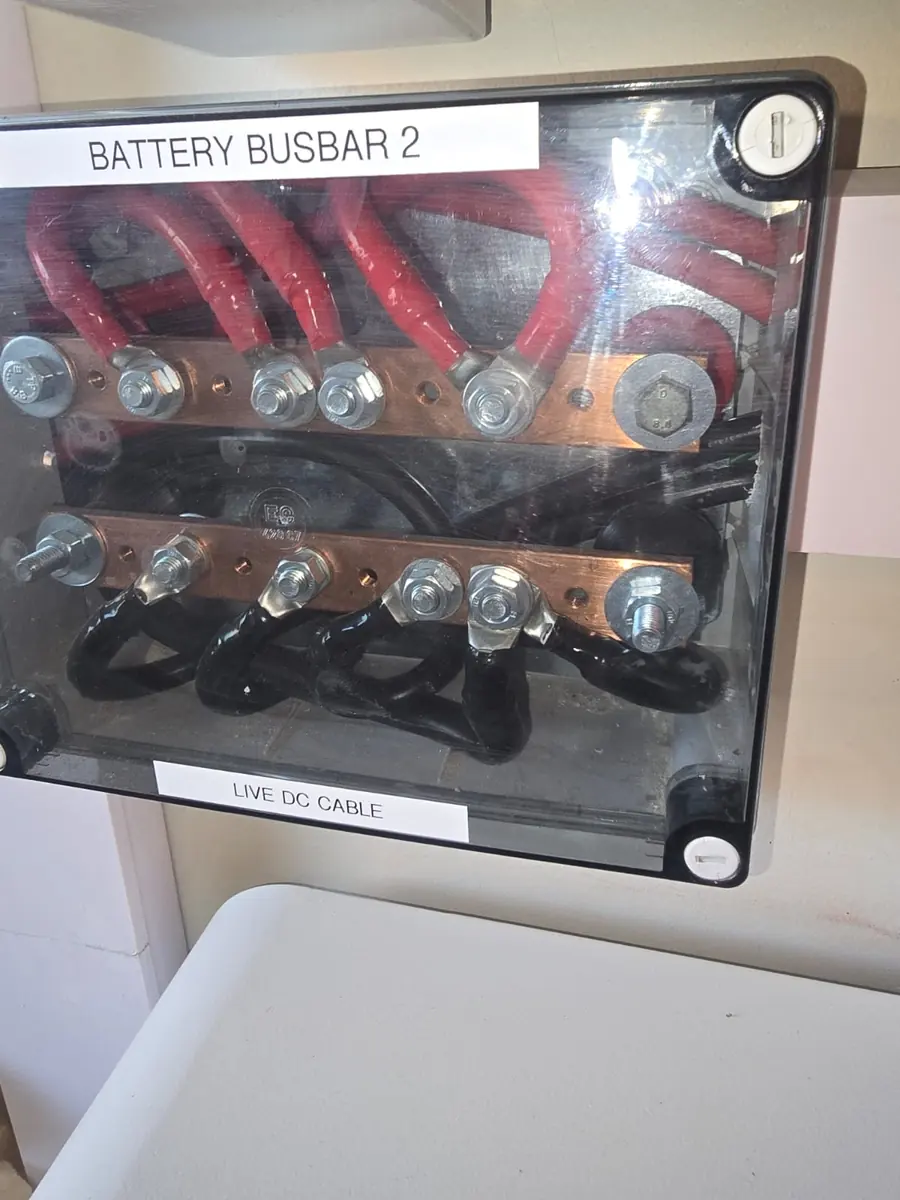
Whatever the mix, the wiring at the distribution board is where a backup installation is made safe. The supply must be separated into what the backup feeds and what it does not; the changeover must make it impossible for the backup to feed the grid; and earth-leakage protection must still work in backup mode. Poorly done backup wiring is one of the most common reasons a house fails its COC inspection, and one of the most common things we find when we upgrade an older DB board.
Sizing: start with the appliance rating plates
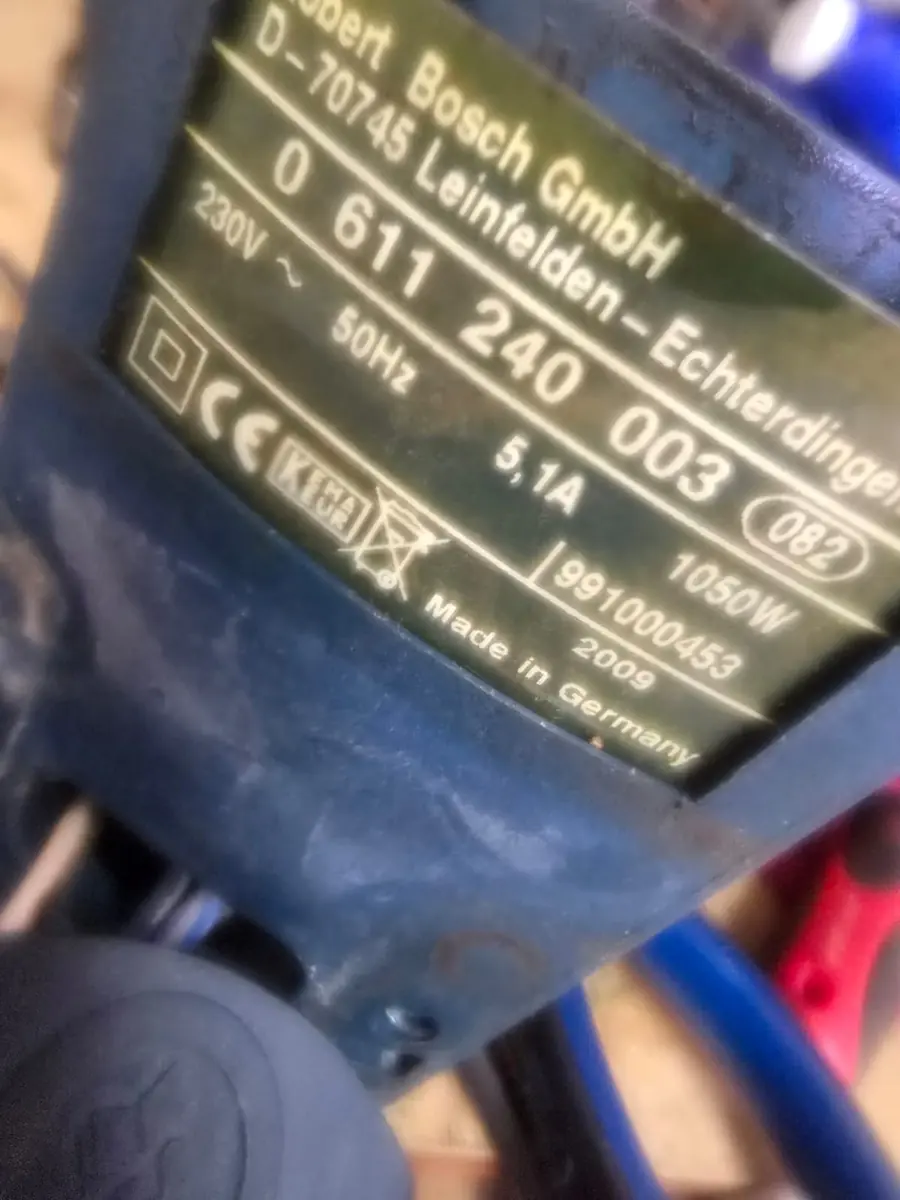
Every appliance carries a rating plate stating its voltage and power (or current). Add up the running watts of everything you want on backup, allow for the starting surge of anything with a motor or compressor, and you have the minimum continuous rating the inverter or generator must supply. For batteries, multiply the running load by the hours of outage you want to cover. We do this properly during a site assessment rather than guessing from the size of the house — undersized systems trip, oversized systems waste money.
Which should you choose?
- A home wanting silent, hands-off backup for lights, plugs and Wi-Fi: a hybrid inverter and lithium battery, with solar if the roof allows.
- A small office or shop: an inverter for the essentials, plus a UPS on the server or till if they must never blink.
- A factory, warehouse, cold store or large commercial building: a diesel generator with an ATS, with a UPS bridging the IT loads.
- A premium home or estate with heavy loads: often an inverter–battery system with a generator input, so the set only runs when the batteries are depleted.
Talk to us before you buy anything. A twenty-minute site visit — looking at your DB, your loads and your outage pattern — tells us which option will actually work, and we quote for the whole installation including the Certificate of Compliance. Start on our generators and backup power page or our solar page.
Frequently asked questions
Can an inverter run a geyser or a stove?
Technically a large enough inverter can, but a 3 kW geyser element would drain a typical home battery in under two hours. Standard practice is to keep geysers, stoves and ovens off the backup circuits.
Can I add solar to my existing inverter later?
If it is a hybrid inverter with an MPPT input, usually yes. If it is a backup-only inverter without a solar input, panels would need a separate charge controller or a new inverter. We check this during the assessment.
Do you install UPS units?
We integrate UPS and inverter backup as part of commercial installations alongside generators, and we work on the changeover and DB wiring that make them safe. For a dedicated UPS requirement, contact us with the load details and we will advise.