An Electrical Certificate of Compliance — the COC — is one of those documents most people only think about when a property sale is a week from transfer and the attorney asks for it. Understanding what it is, what the inspection involves and what commonly fails takes most of the stress out of the process, and often saves money too.
Key takeaways
- A COC certifies that the fixed electrical installation — wiring, DB, sockets, lights, geyser connection — complies with SANS 10142-1. It does not cover your appliances.
- It can only be issued by a registered person after inspection and testing. A certificate without tests behind it is worthless, and illegal.
- For a property transfer the COC must be less than two years old and no changes may have been made to the installation since it was issued.
What a COC is — and isn’t
Under the Electrical Installation Regulations (issued under the Occupational Health and Safety Act), every electrical installation must have a valid Certificate of Compliance, and a property may not be transferred without one. The certificate, with its test report, states that a registered person has inspected and tested the installation and found it to comply with the wiring code, SANS 10142-1.
It covers the fixed installation: the supply from the meter, the distribution board, all wiring, socket outlets, light points, isolators, the geyser and stove connections, outbuildings, gate motors and pool pumps wired from the house. It does not cover plug-in appliances, and it is not a guarantee that nothing will ever go wrong — it is a statement of condition on the day of the test.
What the inspection actually tests
A proper COC inspection is a mix of visual inspection and instrument tests. On a typical East Rand home our electrician will:
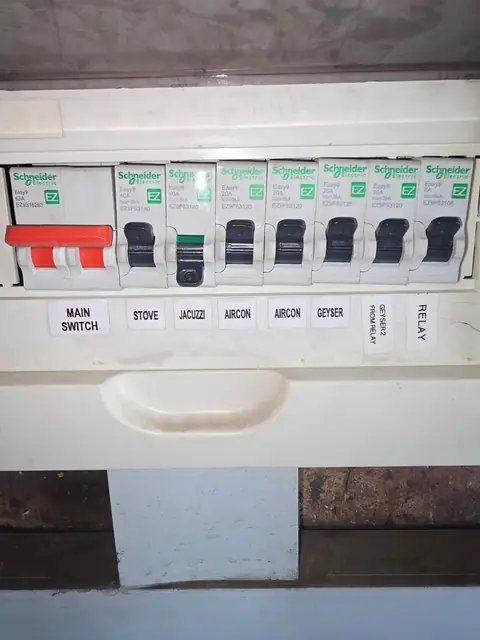
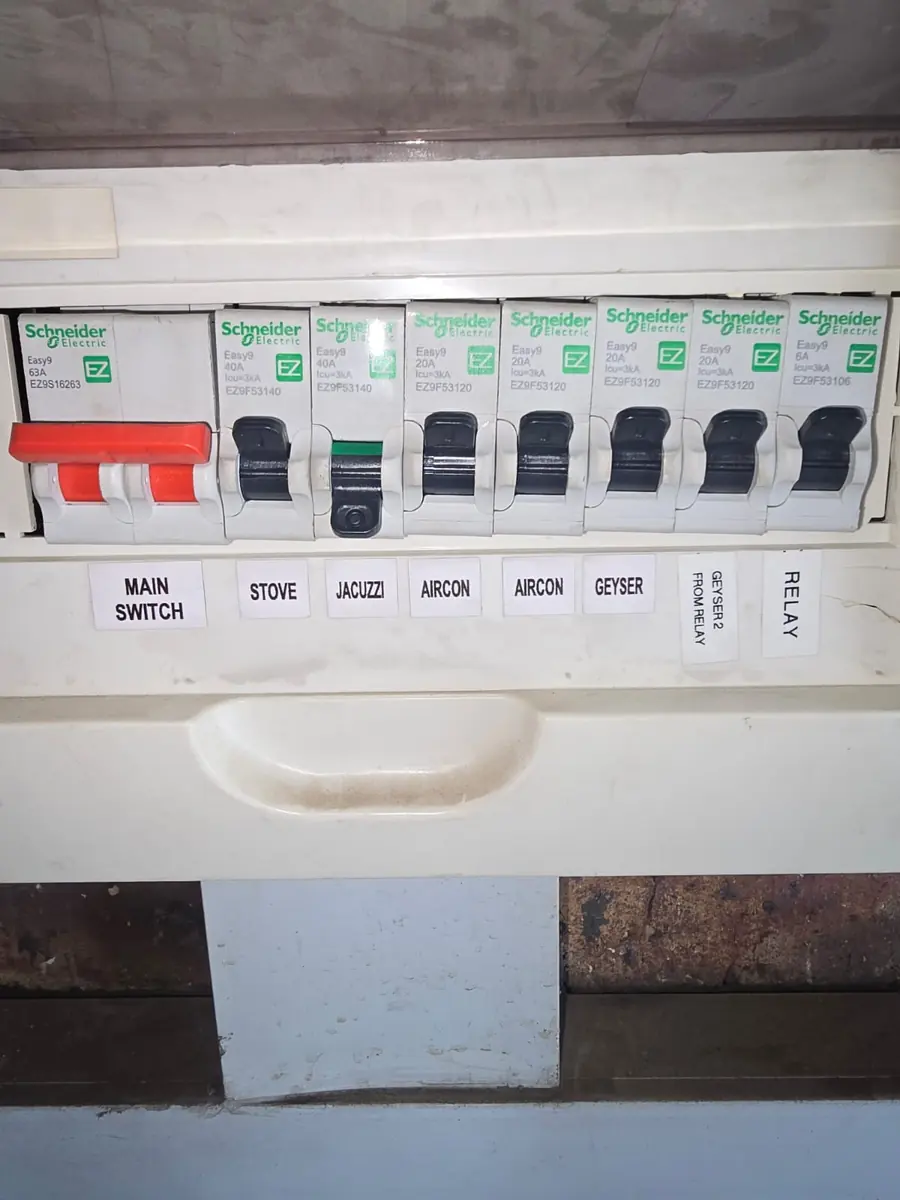
- Inspect the distribution board — main switch, earth-leakage unit, correctly rated breakers for each circuit, no scorching, no exposed live parts, circuits labelled.
- Test the earth-leakage unit with an instrument, confirming it trips at the correct current (30 mA) and within the required time. The test button on the unit is not enough.
- Measure earth continuity to every socket, light point and metal fitting, and check that the geyser, metal pipes and other exposed metalwork are bonded to earth.
- Measure insulation resistance on each circuit to find breakdown in old or damaged cable.
- Check polarity at sockets and switches — live and neutral the right way round, switches breaking the live conductor.
- Measure the earth electrode / supply earth resistance and check the main earth connection.
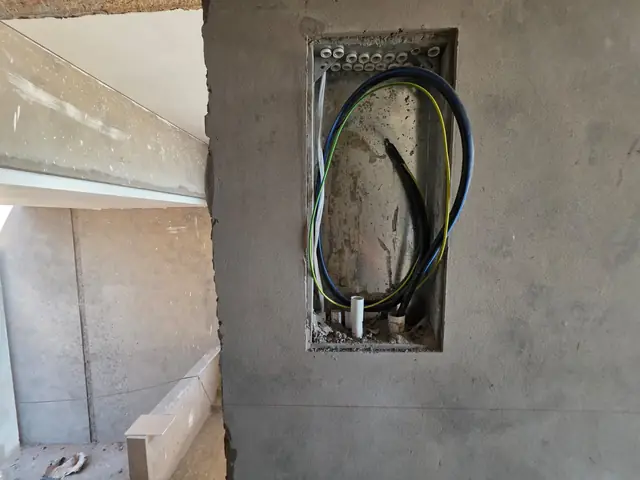
- Inspect the wiring that is accessible — in the roof space, at the DB, in outbuildings — for illegal joints, unprotected cable, incorrect cable sizes and DIY additions.
- Check dedicated circuits and isolators for the stove, geyser, air conditioners, and anything else that requires one.
The results go onto the test report that forms part of the certificate.
The faults that fail most homes
After many years of inspections across Boksburg, Benoni, Germiston, Kempton Park and Alberton, the same problems come up in the majority of failed COCs:
- No earth-leakage protection, or a unit that does not trip on test. Very common on older homes.
- Missing or broken earths — sockets with no earth connection, and geysers or metal pipework not bonded.
- Unlabelled or wrongly labelled DB boards, and breakers rated too high for the cable they protect.
- Illegal joints in the roof — twisted and taped cable, chocolate-block connectors lying loose, and cables run unprotected across ceilings.
- DIY additions: outdoor lights, pool pumps, gate motors, prepaid sub-meters and backup inverters connected without proper protection or isolation.
- Damaged or scorched sockets and switches, and cracked fittings in bathrooms and outdoors.
- Old wiring with perished insulation, which fails the insulation-resistance test.
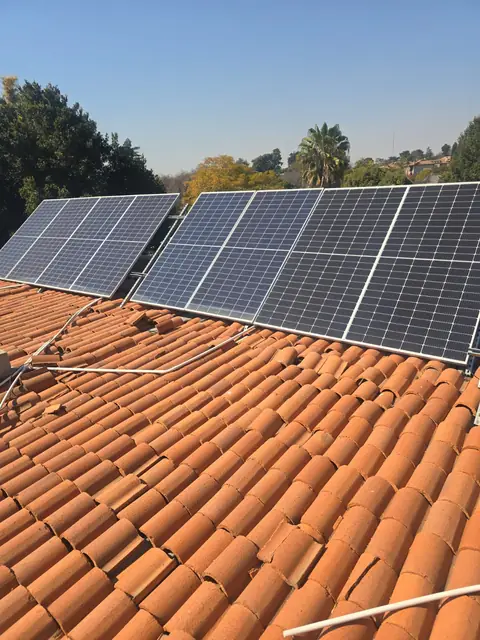
- Non-compliant backup and solar installations — increasingly common; see our notes on how a compliant solar installation is done.
Talk to the team that does this work
Free quotes, straight answers and SANS 10142-compliant workmanship across the East Rand and Sandton. Call, WhatsApp or request a quote online.
Validity: the two-year rule, and the “no changes” rule
For a property transfer, the seller must hand over a COC that is not older than two years and reflects the installation as it stands. If anything has been added or altered since the certificate was issued — a new circuit for an air conditioner, an inverter, a rewired outbuilding — a new certificate (or a supplementary one for the new work) is needed regardless of the date.
Outside of a sale, the certificate does not expire in the same way, but the obligation to keep the installation safe and compliant is ongoing. Landlords in particular should keep a current COC on file.
What does a COC cost?
There are two parts to the cost, and it is worth keeping them separate when you compare quotes:
- The inspection and certificate. A fee for the electrician’s time to test the installation and issue the paperwork. This depends on the size of the property and the number of circuits and outbuildings.
- Repairs. Whatever has to be fixed before the certificate can be issued. On a well-maintained modern home this may be nothing; on an older property it can range from replacing an earth-leakage unit and a few sockets to a partial rewire.
Be wary of very cheap “COC” offers. A certificate issued without testing is illegal, leaves you carrying the liability, and will not survive the buyer’s own electrician looking at the board. We quote the inspection fee up front and only quote repairs after we have actually tested the installation. See our COC certificate service page.
Before the electrician arrives
- Make the DB board, roof access and all outbuildings accessible.
- Gather any previous COCs and paperwork for recent electrical work.
- Tell the electrician about anything added since the last certificate — especially inverters, solar, gate motors and pool equipment.
- Don’t attempt DIY fixes beforehand; a taped joint in the roof creates a fail, it doesn’t hide one.
Selling in the East Rand? Book the COC inspection early — ideally when the property is listed, not when the transfer is imminent. It gives you time to fix anything found and avoids delays at the attorney. We issue COCs across the East Rand and Sandton, with free quotes and repairs done by the same team that tests. Start on our COC certificates page.
Frequently asked questions
Who pays for the COC when selling a house?
By convention the seller pays for the certificate and the repairs needed to obtain it, unless the sale agreement states otherwise.
Can I get a COC for only the new work I’ve had done?
Yes — a supplementary certificate covers an addition or alteration, provided the existing installation already has a valid COC.
Does a COC cover my solar or backup system?
Only if it was inspected and included. Solar and inverter installations must be certified, and a COC issued before they were installed does not cover them.
How long does a COC inspection take?
Usually one to three hours for a typical home, depending on size and how accessible the installation is. Repairs, if needed, are quoted separately.